Planning Your First
Missouri Float Trip
Floating an Ozark river is the best way to spend a hot Missouri weekend — clear spring water, gravel-bar lunch stops, and miles of bluffs. Here's everything a first-timer needs to pick a river, book a boat, and launch with confidence.
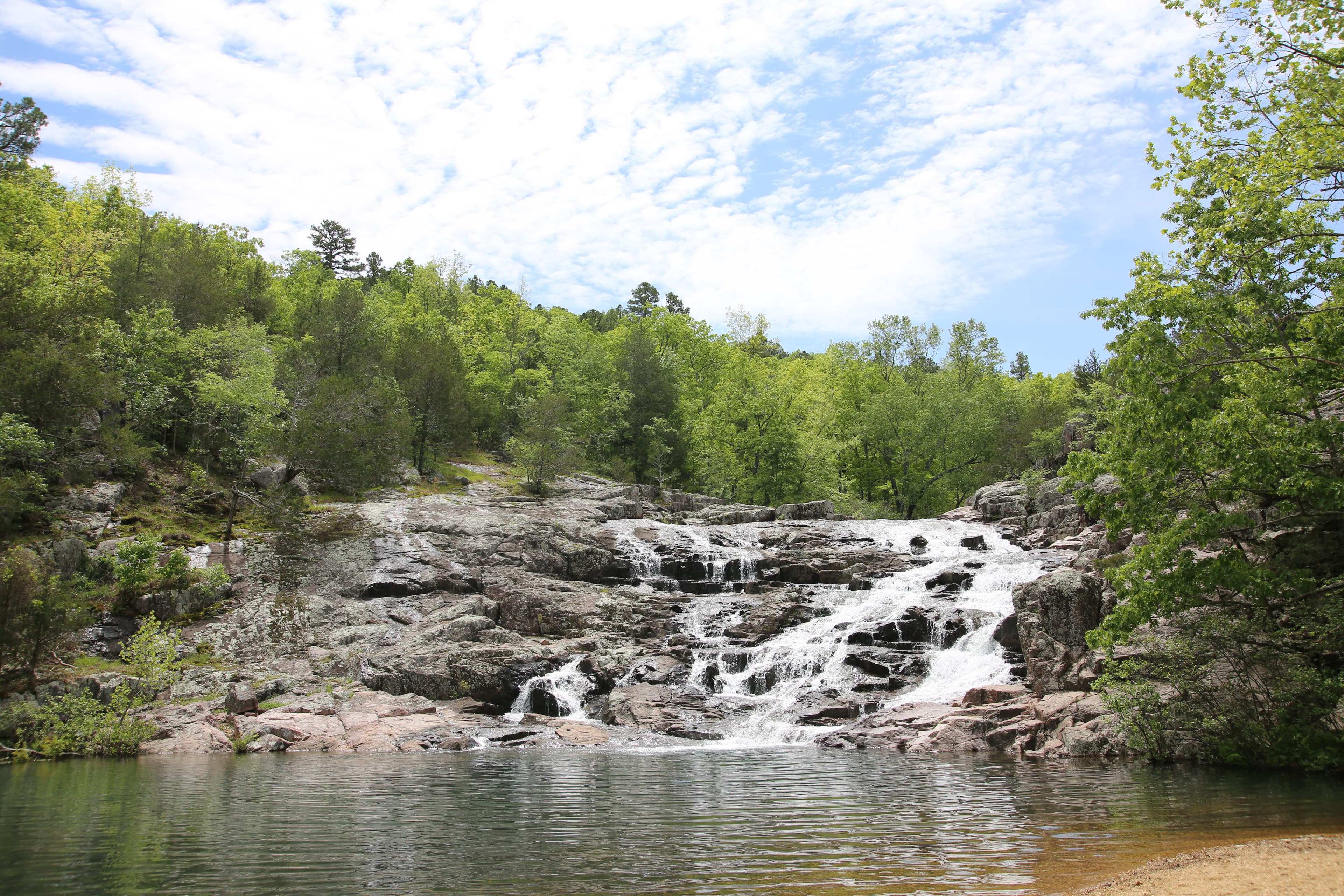
A "float trip" in Missouri means drifting downstream in a canoe, kayak, raft, or tube — letting the current do the work while you swim, fish, and picnic on gravel bars. The Ozarks hold some of the clearest, most reliable float water in the country, and you don't need any experience to enjoy it.
The hardest part of a first trip is the planning: which river, which outfitter, how far, and what to bring. This guide walks you through each decision in order so you can show up relaxed and spend your energy on the water instead of the logistics.
Choosing your first river
For a first float you want gentle current (Class I), dependable summer water, and plenty of outfitters to rent from. These four are the friendliest places to start — tap any one for its full river guide with float sections, outfitters, and live levels.
Meramec River
Closest to St. Louis
Wide, slow, and forgiving, with caves and bluffs along the popular Steelville and Sullivan stretches. The single best pick if you're driving from the St. Louis side and want short, easy floats.
Niangua River
Bennett Spring country
Missouri's quintessential beginner float near Lebanon — heavily outfitted, spring-fed, and lively on summer weekends. Easy shuttles and short sections make planning simple.
Current River
Clearest water, most reliable flow
Gin-clear and spring-fed, the Current floats well from spring through fall when other rivers run low. The Akers Ferry to Pulltite stretch (10 mi) is a classic, mellow first long-day or overnight.
Courtois Creek
Small, scenic, near Steelville
A smaller, intimate Ozark creek (say "code-away") that pairs well with the Huzzah and Meramec. Gorgeous and quiet early in the season; it can get bony by late summer, so check levels first.
When to go
Missouri's float season runs roughly April through October. Here's what to expect month to month so you can match the trip to the weather and the crowds.
| When | Water & weather | Good for |
|---|---|---|
| April | Cool air, higher and faster water from spring rain | Solitude and strong current — for confident paddlers |
| May–June | Warming up, water usually still healthy | The sweet spot: green scenery, fewer crowds than July |
| July–Aug | Hot, busy, lower and slower water | Classic party-float season; book early and start early |
| Sept–Oct | Cooler, quiet; spring-fed rivers float best | Peaceful floats and fall color on the Current and Jacks Fork |
| Nov–Mar | Cold; most outfitters are closed | Off-season — only for prepared cold-water paddlers |
Booking your trip, step by step
Once you've picked a river, the booking itself is quick. Work through these in order a couple of weeks ahead of a summer weekend.
- Pick your date and a backupWeekends in June through August fill up. Have a rain date in mind — outfitters won't refund for weather, but they'll usually reschedule.
- Choose your distanceFor a first trip, aim for 6–8 river miles, or about 4–5 hours on the water. It always takes longer than the mileage suggests once you add swimming and a lunch stop.
- Reserve boats and the shuttleCall or book online with a river outfitter. Tell them your party size and float length; they'll set you up with canoes, kayaks, or rafts and handle the shuttle to your put-in or from your take-out.
- Plan the drive and arrivalAdd 30–60 minutes at the outfitter for check-in, waivers, and the shuttle ride. Build in time so you launch by late morning and aren't rushing the take-out.
- Check conditions 48 hours outWatch the gauge and the forecast. A river rising after heavy rain is a hard no for beginners — call the outfitter for their read, and use Eddy to see the trend.
Rent from an outfitter, or bring your own?
Almost every first-timer should rent. The boats are only half of it — the real value is the shuttle, which solves the two-cars-at-two-ends problem for you.
Rent from an outfitter
The easy button — recommended
They supply boats, paddles, and life jackets, and they shuttle you and your gear. You just show up, sign a waiver, and float. Most also rent rafts and tubes, and rent or sell coolers.
Bring your own gear
Cheaper once you're hooked
If you already own a boat, most outfitters will still run a shuttle for a small fee — or you can run your own with two vehicles, leaving one at the take-out. Sort the car logistics before you launch.
What to pack
Assume everything will get wet and some things will go overboard. Pack light, secure what matters, and leave valuables in the car.
- Life jacket (PFD) — required for everyone aboard
- Water shoes or strapped sandals (no flip-flops)
- Quick-dry clothes; swimsuit underneath
- Hat and sunglasses with a strap or retainer
- Reef-safe sunscreen, applied before you launch
- Water — more than you think — plus snacks and lunch
- Drinks in cans (no glass) in a soft cooler that clips in
- Dry bag or waterproof case for phone and keys
- Small first-aid kit and any medications
- Trash bag — pack out everything you bring in
Safety basics for first-timers
Float trips are very safe when you respect the water. A few habits prevent almost every bad day on the river.
- Wear the life jacket. Missouri requires a wearable PFD for every person on board, and children under 7 must wear theirs at all times. Most drownings involve people who had a life jacket but weren't wearing it.
- Never float alone, and tell someone your plan. Leave your put-in, take-out, and expected return time with a friend who isn't on the trip.
- Avoid strainers and low-water bridges. Fallen trees and brush ("strainers") let water through but trap boats and people. Steer around them, and never grab overhanging branches in current.
- Watch the sky, and go easy on the booze. Get off the water if storms build — flash floods rise fast in the Ozarks. Alcohol plus sun, dehydration, and cold water is the most common reason trips go wrong.
River etiquette & Leave No Trace
These rivers stay beautiful because floaters take care of them. Be the kind of paddler other people are glad to share a gravel bar with.
- Pack it in, pack it out. Everything you bring leaves with you — including cans, cigarette butts, and food scraps. Bring an extra trash bag and grab any litter you find.
- Respect private land. Gravel bars are generally fair game to stop on, but the banks above the high-water line are often private. Don't cross fences or trespass.
- Keep it friendly. Sound carries on the water. Keep music low, give anglers room, and yield to anyone who looks like they're struggling.
FAQ
Plan your first float on Eddy
Pick a river, check live water levels, and map your put-in to take-out with real float-time estimates.
Start planning →