Niangua River
Float Trip Guide.
Live conditions, the best float sections by mile marker, the spring that keeps it floating all summer, the outfitter cluster at Bennett Spring, the Tunnel Dam take-out, and a built-in trip planner — your complete guide to floating central Missouri's Niangua.
Today on the Niangua
Eddy reads the gauge, the trend, and the forecast and writes a fresh take a few times a day. Use it as one input alongside your own judgment, the outfitter you’re renting from, and the most recent NPS advisories.
Why the Niangua is different
The Niangua is central Missouri's reliable float. Fed by Bennett Spring — one of the state's largest, at roughly 100 million gallons a day — it holds a dependable base flow that keeps it floatable in mid-summer when rain-fed Ozark streams like the Meramec, Huzzah, and Jacks Fork have dropped too low. Gentle Class I water, an outfitter town built around the spring, and an easy drive from Springfield, Lebanon, and Kansas City.
- Floats when other rivers don't. Bennett Spring's steady, cold flow gives the Niangua a base level that rain-fed rivers can't match. When the forecast is dry and everything else is bony, the Niangua is usually still good.
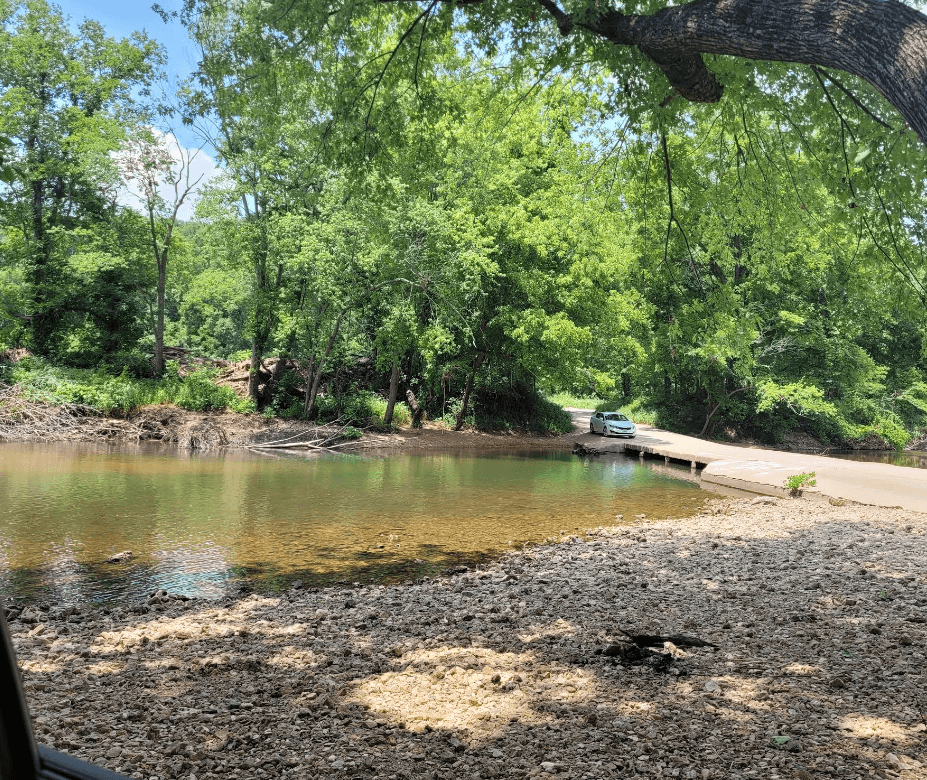
- Built for first-timers. Mostly Class I below Bennett Spring, with a tight cluster of outfitters and riverside campgrounds that make rentals and shuttles simple.
- Trout-park headwaters. Bennett Spring State Park is one of Missouri's four trout parks — daily stocking, a historic lodge, and the cold spring that defines the river.
- Central, not southern. It fills the gap between the metro rivers and the deep Ozarks — close to Springfield and Lebanon, near the Lake of the Ozarks and Ha Ha Tonka State Park.
Pick your float
The Niangua divides cleanly into character zones. Pick by how much time you have, who you’re paddling with, and what you want to see.
Upper Niangua — above Bennett Spring
Above Bennett Spring the river is smaller and rain-dependent. Pretty, quiet half-day water from Moon Valley toward the spring, but it can get low in summer before Bennett's flow joins.
Bennett Spring to Prosperine — the outfitted heart
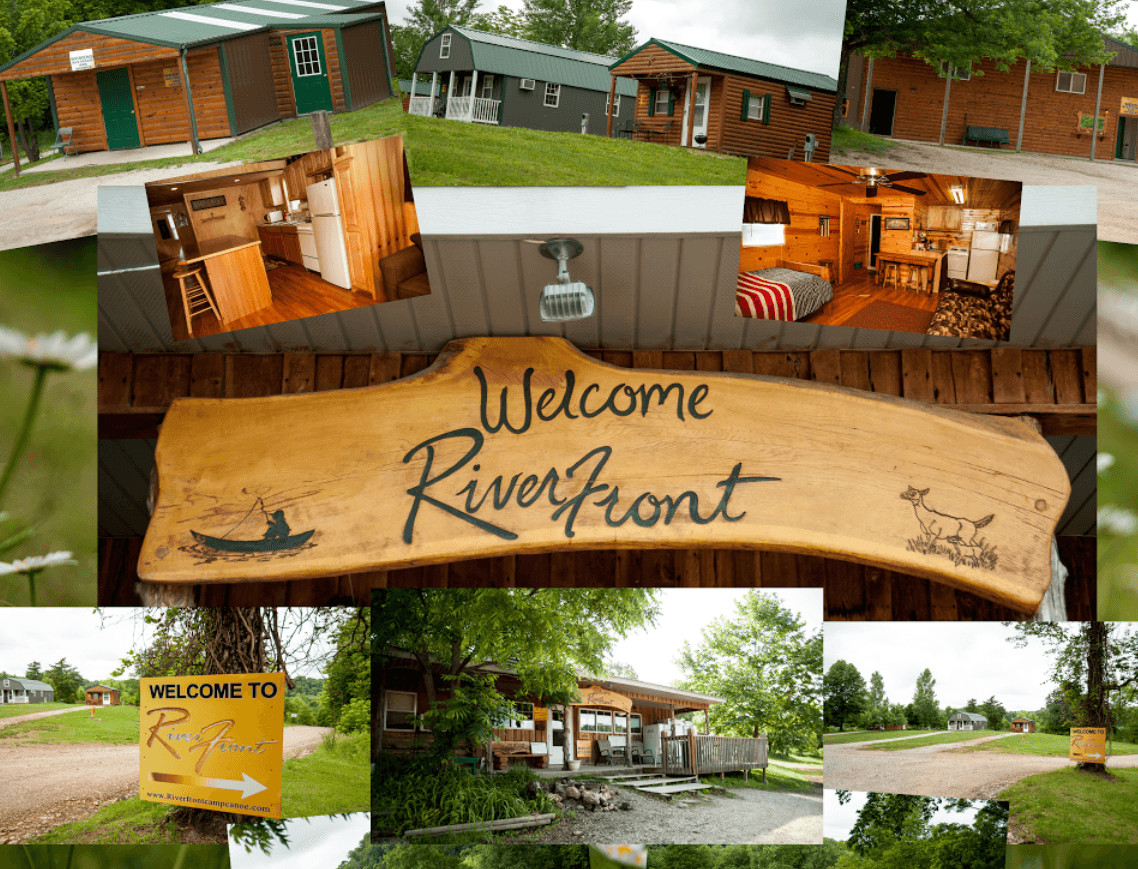
Below Bennett Spring's ~100 million gallons a day the Niangua runs cold, clear, and reliable. This is the busy, beginner-friendly stretch where nearly every outfitter and riverside campground sits.
Lower Niangua — Prosperine to Tunnel Dam
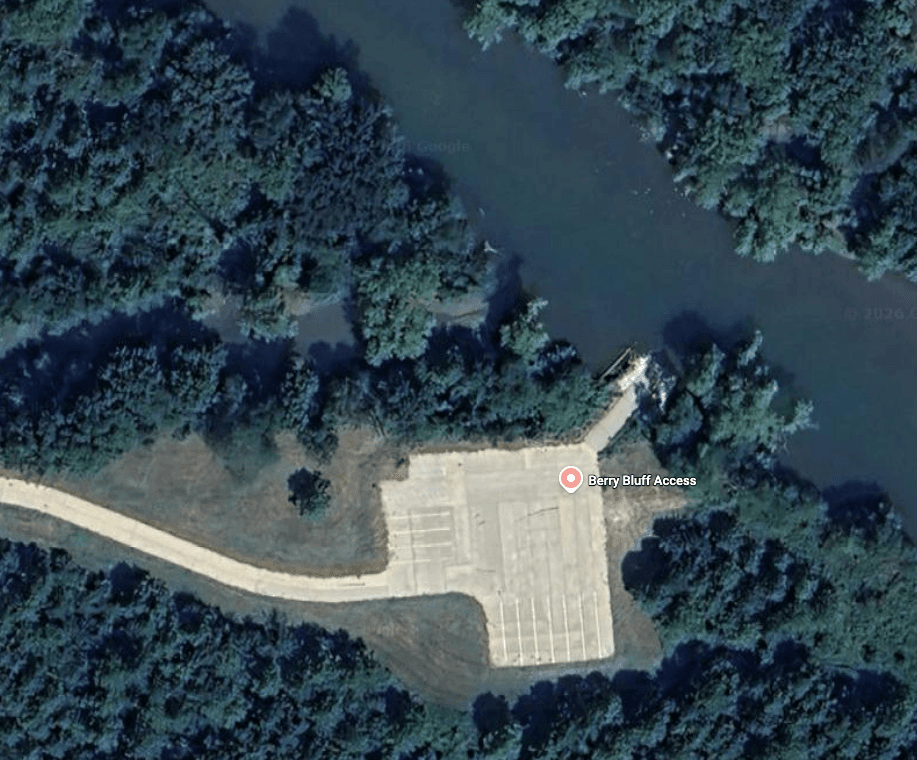
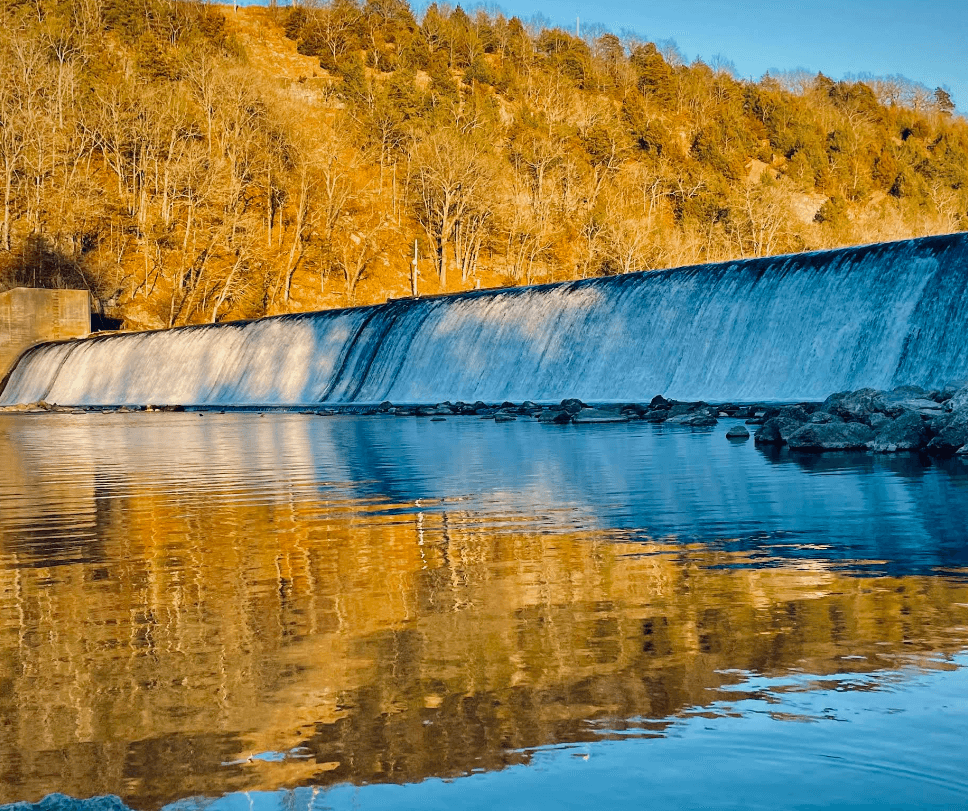
Quieter water past limestone bluffs toward the historic Tunnel Dam and the Lake of the Ozarks. Fewer people and good smallmouth fishing — but know your take-out: the lower river ends at a hydroelectric diversion dam.
Springs & sights worth stopping for
Outfitters, campgrounds & lodging
Every active service that operates on the Niangua. Tap a phone number to call; tap Reserve to book.
Water levels & gauge
Check the gauge before you load the truck. The trend over the last week matters more than today’s number — a falling river after a flood is fine; a rising river isn’t.
Regulations
When to go
Drive times
Before you launch & on the water
- PFDs (legally required — one per person, worn by anyone under 7).
- Dry bag for keys, phone, ID, and a layer — the spring water is cold.
- Drinking water (a gallon per person per day in summer) — there's no potable water on the river.
- Reef-safe sunscreen and a hat.
- Hard-soled water shoes for rocky gravel bars.
- A plan for your lower-river take-out if you're floating toward Tunnel Dam.
- Trash bag — pack out everything you bring in.
- Reliable when others are low. Bennett Spring's base flow keeps the Niangua floatable when the Meramec, Huzzah, and Jacks Fork have dropped too low. A smart summer fallback.
- Take out above Tunnel Dam. The lower river runs to a privately owned hydroelectric diversion dam near mile 66. Take out at the marked access; never approach the dam.
- Base at Bennett Spring. Most outfitters, rentals, and riverside campgrounds cluster between Bennett Spring and Prosperine — the easiest place to set up a first trip.
- Mind the trout water up top. Bennett Spring State Park is a busy trout park; the cold park water is fly- and tag-only and separate from the float zone.
Nearby attractions
FAQ