EddyEddy
← Back to Blog·February 2, 2026·12 min readRiver Guides
Current River · Ozark National Scenic Riverways

Current River
Float Trip Guide.

Live conditions, the best float sections by mile marker, springs to stop at, the full outfitter and campground directory, and a built-in trip planner — your complete guide to floating Missouri's Current River.

Length
134 mi
Difficulty
Class I–II
Region
Ozarks
Season
Year-round
Manager
NPS (ONSR)
Headwaters
Montauk SP
Live conditions

Today on the Current

Conditions update automatically. If the widget says good or flowing, you’re cleared to launch — the rest of this guide picks the float section.

The pitch

Why the Current is different

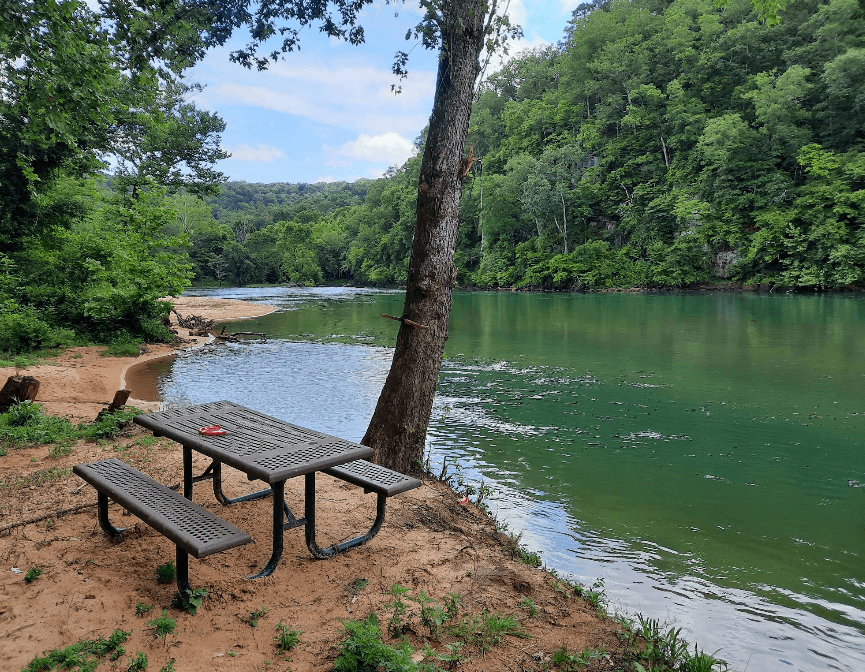
The Current is Missouri's crown jewel float river. Spring-fed, gin-clear, and protected end-to-end by the National Park Service, it floats reliably from snowmelt through Labor Day and well into fall.

  • Spring-fed reliability. Big Spring alone pumps about 290 million gallons a day into the river. Even in August, the Current is floatable when most Ozark streams are bony.
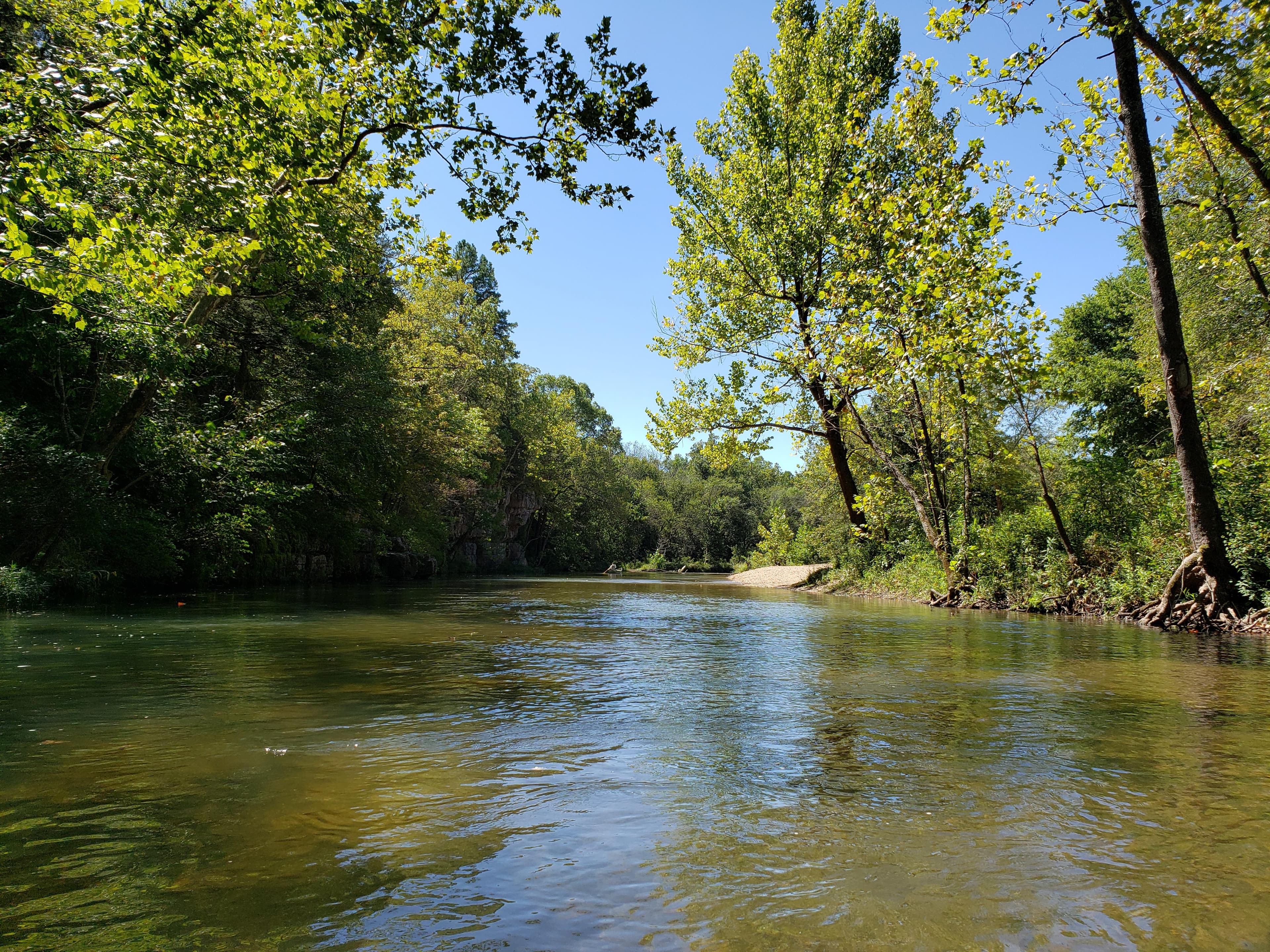
  • Visibility you can see your paddle blade through. Cold, calcium-rich groundwater keeps the channel clear most of the year. Bring polarized sunglasses; you'll see fish.
  • Protected wilderness. The Ozark National Scenic Riverways was the first NPS unit established to protect a river. No motorboats above Akers Ferry except for short stretches.
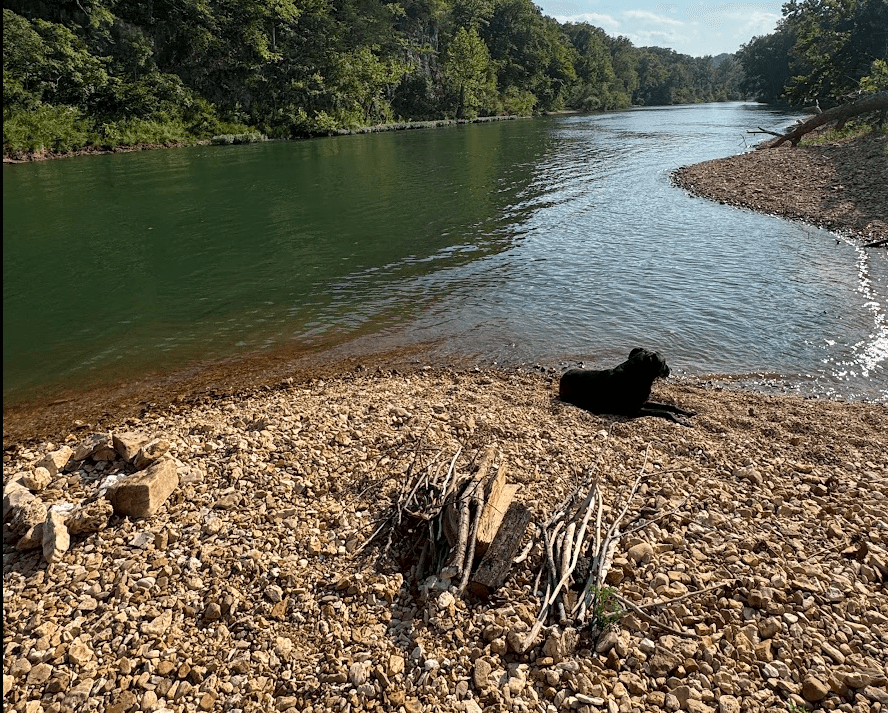
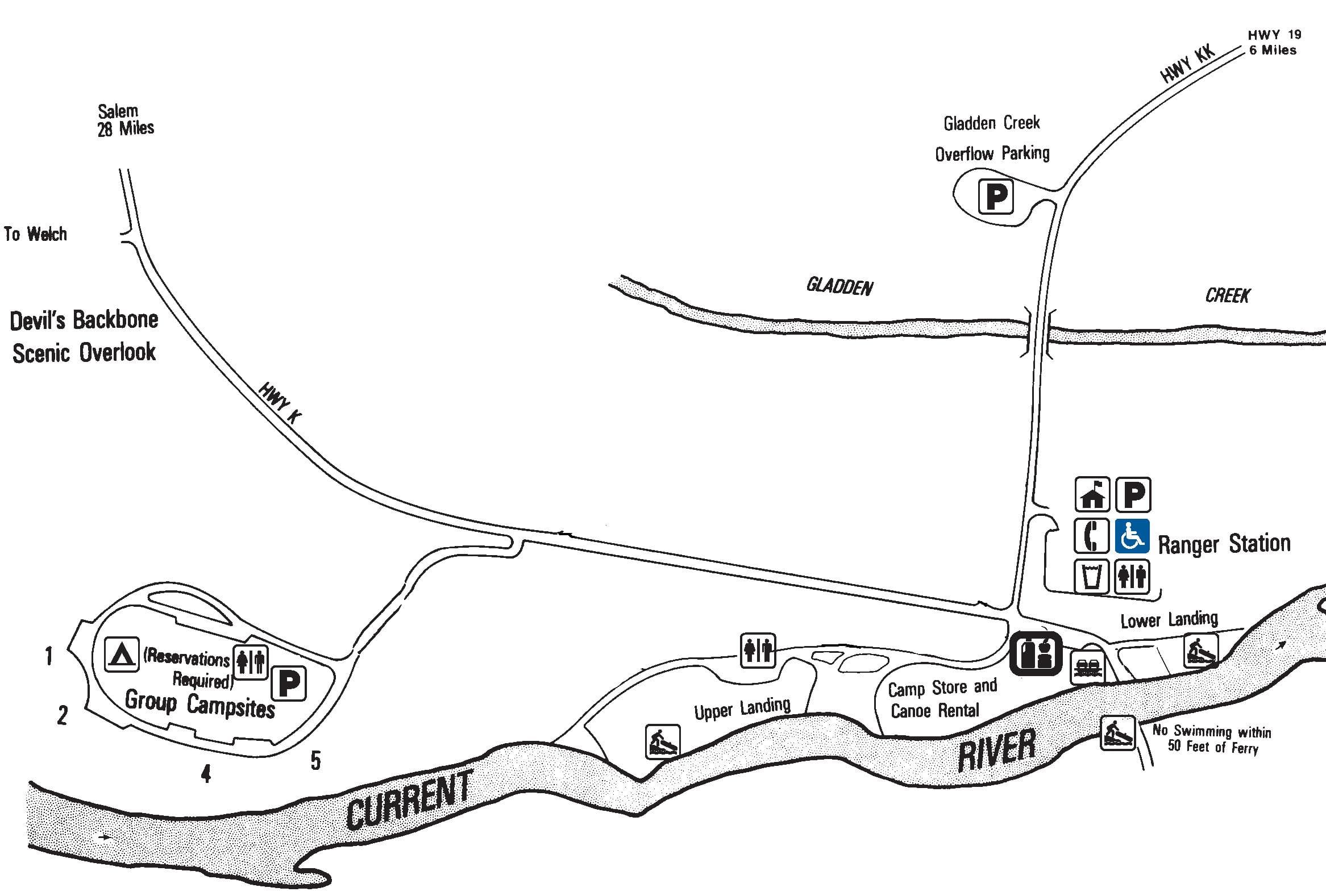
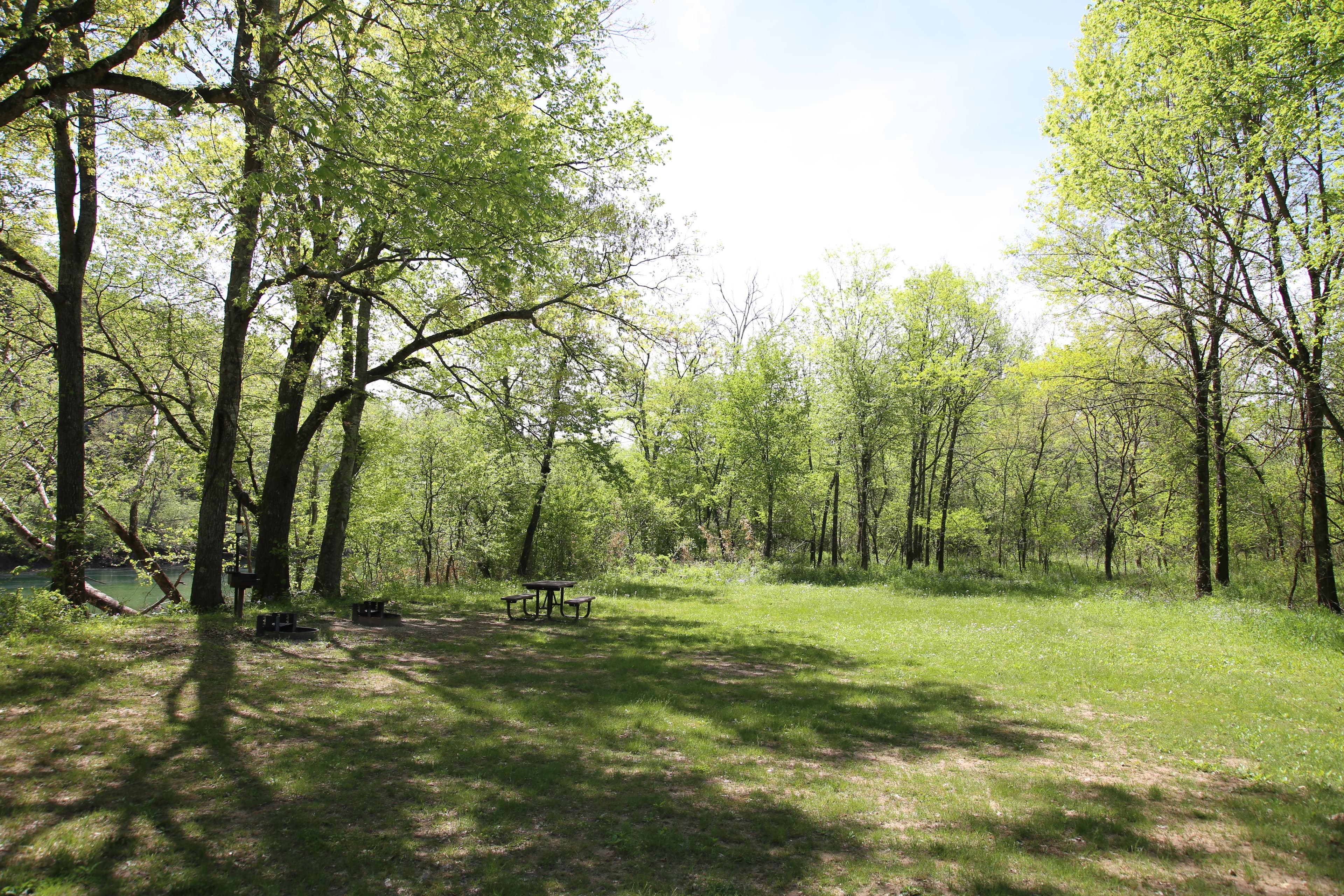
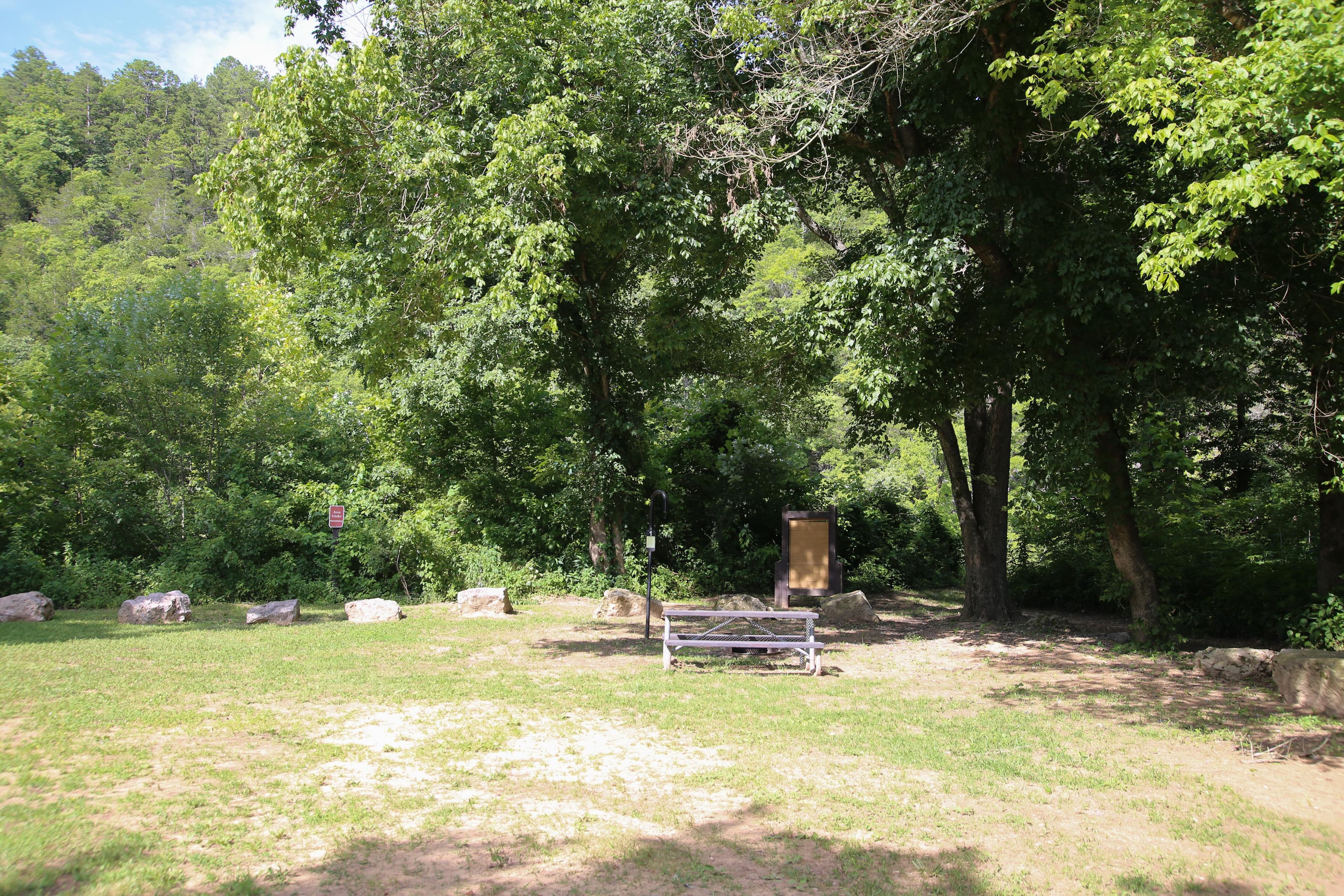
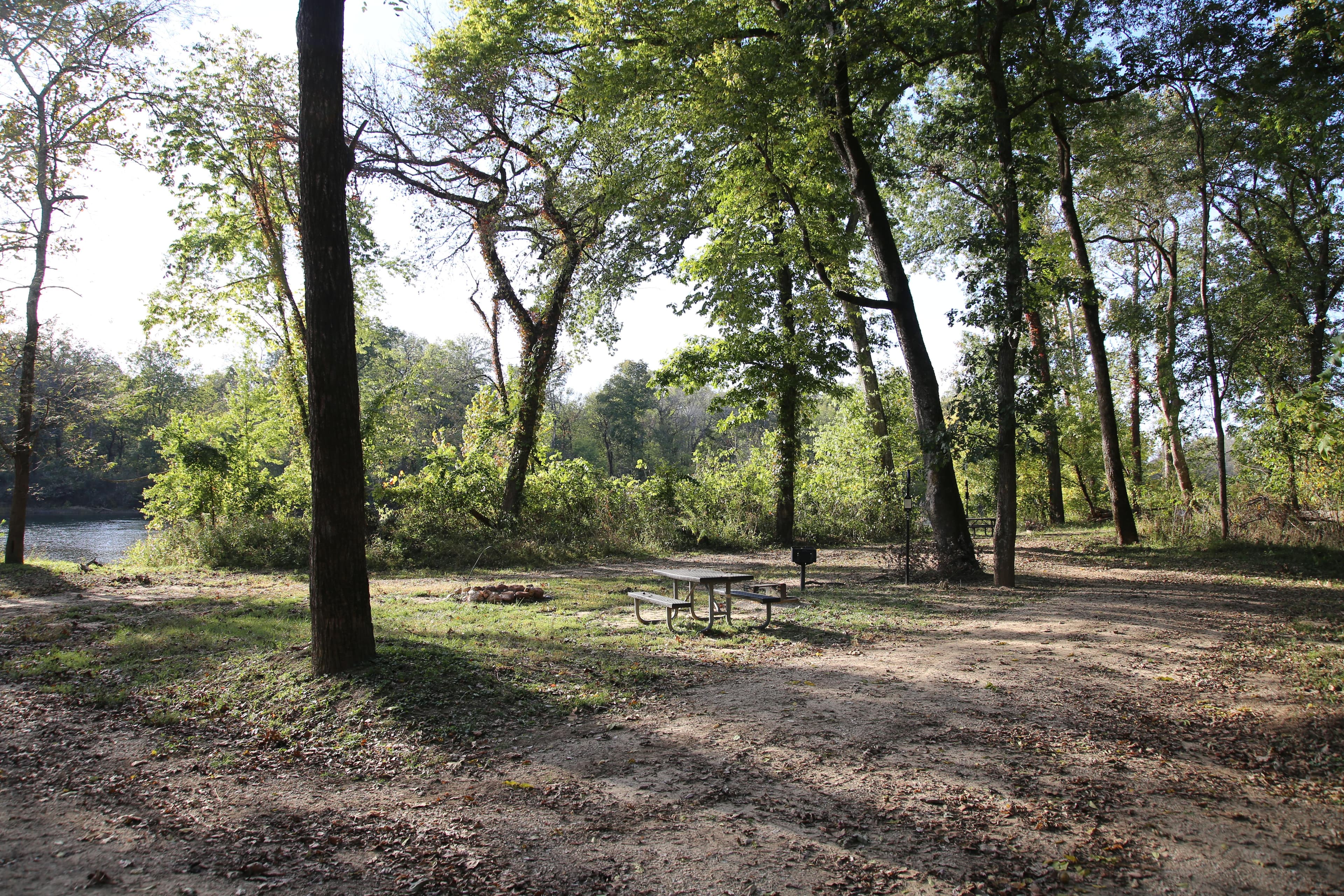
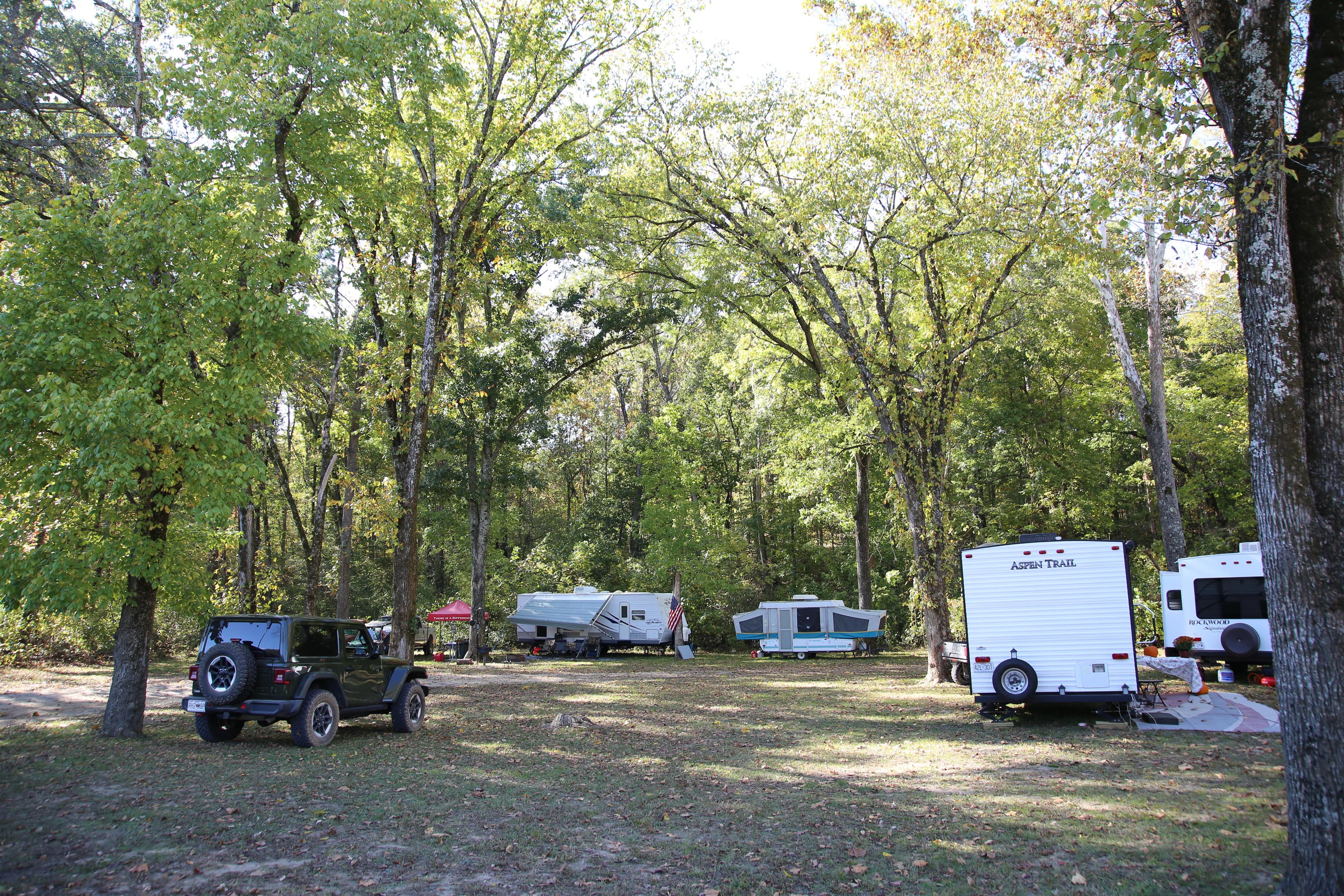
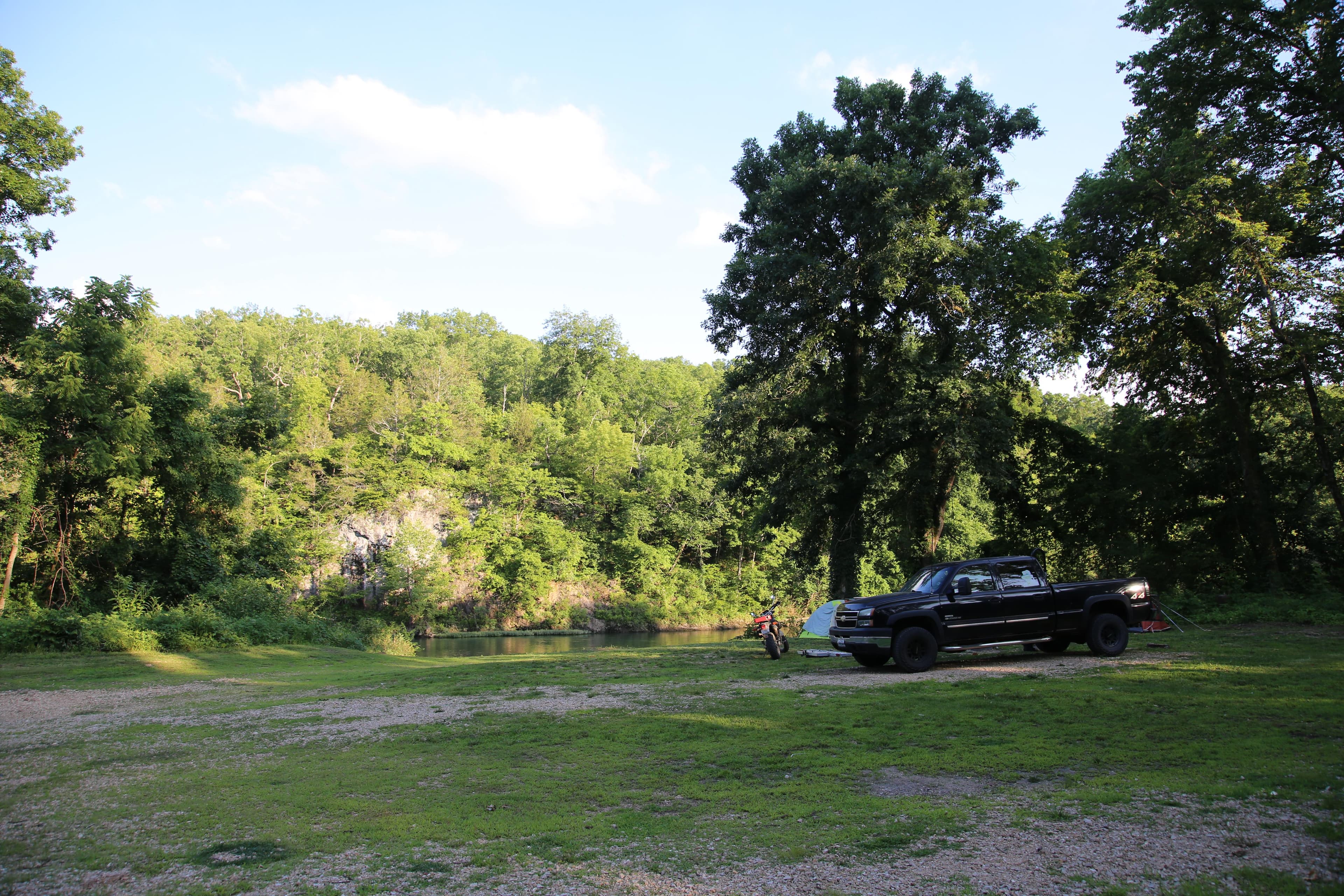
  • Camping included. Free gravel-bar camping is allowed on most stretches with a Leave No Trace mindset, plus 20+ developed access points and a half-dozen NPS campgrounds.
Float sections

Pick your float

The Current divides cleanly into character zones. Pick by how much time you have, who you’re paddling with, and what you want to see.

1
Section 1

Montauk Cedargrove

Headwaters

Distance
9 mi
Float time
3–4 hr
Class
II
Crowd
Quiet

Cold, fast, narrow, and tight against rhododendron-lined banks. This is trout country — Montauk State Park stocks the river daily in season — and the most technical water on the Current. Tan Vat (mile 0.9) and Baptist Camp (mile 2.1) shorten it to a half-day.

Best for: Experienced paddlers, fly fishers
2
Section 2

Cedargrove Akers Ferry

The springs run

Distance
8 mi
Float time
3–4 hr
Class
I–II
Crowd
Moderate

Cedargrove (mile 9) puts you straight into bluff country. Pass Cliff Jump (mile 11.8), Medlock Cave & Spring (12.6), and the standout: Welch Spring with its abandoned 1913 hospital ruins at mile 13.7 — pull off river-right and walk up. Take out at Akers Ferry, the last hand-cranked vehicle ferry in Missouri.

Best for: Half-day floats, spring chasers, history buffs
3
Section 3

Akers Ferry Pulltite

The classic

Distance
10 mi
Float time
4–5 hr
Class
I
Crowd
Busy summers

The most popular family float on the river. From Akers Ferry (mile 16.7) you drift down past Cave Spring at mile 21.9 — the flooded cave you can paddle into — and finish at Pulltite (mile 26.3), where the takeout is a designed campground with a boat ramp and another walk-up spring.

Best for: First-timers, families
4
Section 4

Round Spring Two Rivers

The middle

Distance
17 mi
Float time
6–7 hr or overnight
Class
I–II
Crowd
Moderate

Round Spring (a 50-foot-wide blue bowl — walk to it from the parking lot) feeds the river with another 26 million gallons per day. From here it's gravel bars, towering bluffs, and a steady current down past Jerktail Landing (free camping), Broadfoot, and Two Rivers, where the Jacks Fork joins.

Best for: Overnighters, bluffs and quiet
5
Section 5

Powder Mill Big Spring

Powder Mill to Big Spring

Distance
31 mi
Float time
2–3 days
Class
I
Crowd
Quiet midweek

The big-water lower Current. The river widens, the bluffs get taller, and the gradient slackens just enough to let you stop swimming and start drifting. Stage at Powder Mill (mile 58.7), camp at Log Yard or Waymeyer, push through Van Buren Riverfront Park (mile 85.9), and finish at Big Spring (mile 90.2) — one of the largest single springs on Earth.

Best for: Multi-day, springs and miles
Section 6

Big Spring Doniphan

Lower river

Distance
≈30 mi
Float time
1–2 days
Class
I
Crowd
Sleepy

Below Big Spring the river broadens further and motorboats become legal. Hickory Landing, Gooseneck, Bay Nothing, and Float Camp Recreation Area string along the south end before the river crosses into Mark Twain National Forest near Doniphan.

Best for: Long quiet drifts, anglers
Built-in planner

Plan your exact trip

Pick a put-in and take-out and we’ll calculate distance, an estimated float time for your boat, current conditions, and the outfitters that serve those access points.

Off-river stops

Springs & sights worth stopping for

mile 11.8
Cliff Jump
Small bluff jump on the Cedargrove–Akers stretch. Check water depth before you leap.
mile 12.6
Medlock Cave & Spring
River-right cave entrance just upstream of Welch — easy to miss. Worth a paddle-by.
mile 13.7
Welch Spring & Hospital
Ruined 1913 sanitarium built to use the spring's 'curative' air. Pull off river-right and walk up — this one is on the Cedargrove–Akers float, not Akers–Pulltite.
mile 21.9
Cave Spring
The famous flooded cave mouth you can paddle into. River-right between Akers and Pulltite. Stay near the entrance; it goes deep.
mile 26.3
Pulltite Spring
Smaller spring, easy walk-up from the Pulltite Campground at the takeout.
mile 35.2
Round Spring
Circular blue spring pool — a 50-foot-wide bowl. NPS interpretive site, walk to it from the parking lot.
mile 90.2
Big Spring
Largest single-outlet spring in Missouri (~290 million gallons/day). Reliably blue, surrounded by old CCC stonework.
Directory

Outfitters, campgrounds & lodging

Every active service that operates on the Current, with phone, website, reservation links, and Google Maps directions. Filter by type below.

USGS data

Water levels & gauge

Check the gauge before you load the truck. The trend over the last week matters more than today’s number — a falling river after a flood is fine; a rising river isn’t.

By the season

When to go

Mar–Apr
Peak water, cold (50°F).
Wetsuit-or-don't-fall water.
May–Jun
Sweet spot.
Warm air, clear water, dogwoods.
Jul–Aug
Party season Akers–Pulltite.
Lower river stays peaceful. Reserve 2–4 wks ahead.
Sep–Oct
Eddy's favorite.
Color, cool air, warm water still.
Nov–Feb
Floatable, almost private.
Pack like you're going winter camping.
Packing list

What to bring

  • PFDs (legally required — one per person, worn by anyone under 7).
  • Dry bag for keys, phone, ID, and a fleece. Phones tumble out of canoes.
  • Drinking water (a gallon per person per day in summer) — the river is clear but not safe to drink.
  • Reef-safe sunscreen and a hat. Bluff shadows are short; sunburn is the #1 trip-ender.
  • Hard-soled water shoes. Gravel bars are sharper than they look.
  • Trash bag — pack out what you bring in, and an extra handful of someone else's.
Eddy's playbook

Pro tips

  • Launch early. Outfitter shuttle bus rolls 8–10 a.m. on summer weekends. Be on the water by 9 and you'll have most of the river to yourself for two hours.
  • Use the ferry. Akers Ferry still runs as a vehicle ferry; if your shuttle requires crossing, time it.
  • Camping etiquette. Gravel bars only, 200 ft from springs and tributaries, no cutting live wood, pack out ash.
  • Don't paddle drunk. Most rescues on this river are alcohol-related. The current is gentle; the cold spring water is not.
  • Phone service is spotty. Download your float plan and the Eddy map ahead of time; service generally returns near Van Buren.
Quick answers

FAQ

Most parties take 4–5 hours including a swim stop. The 10-mile section averages a 2–3 mph current at normal levels.
Ready to launch?

Plan your Current River trip on Eddy

Open the Current River planner →
Safety first: Eddy is a planning guide only. Always consult local outfitters and authorities for current conditions before floating. Water levels can change rapidly. Wear life jackets and never float alone.